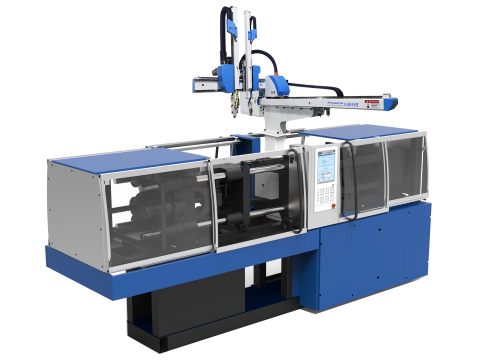
In automation, a picker refers to a mechanized or robotic device designed to pick up, move, or place objects within a production, packaging, or material handling system. It is commonly part of pick-and-place systems, which are widely used in manufacturing, warehousing, and logistics for fast and accurate object handling.
🧠 What Does a Picker Do?
A picker in automation typically:
Identifies or locates an object (often with the help of sensors or vision systems)
Grips or picks the object using a mechanical tool (like a gripper, suction cup, or magnet)
Moves the object to a designated location (via linear or robotic motion)
Releases it precisely where required
🤖 Types of Pickers:
Robotic Arm Pickers – Multi-axis robots that can pick and place items in complex motions (e.g., SCARA, Cartesian, or Delta robots)
Delta Pickers – High-speed pickers used in lightweight, high-volume sorting (e.g., food or electronics)
Automated Guided Vehicles (AGVs) with picking arms – Used in warehouses
Vacuum or Suction Pickers – Often used for flat or delicate items
Magnetic Pickers – Used for metallic parts
🏭 Applications of Pickers in Automation:
Assembly lines – Placing components on boards or machines
Packaging – Picking items and placing them in boxes
Warehousing – Picking orders or parts for shipment
Inspection systems – Removing defective products
Food and beverage – Sorting, placing, or arranging items on conveyor belts